The Cupbearer in Hafez's Ghazals: Guide to the Divine
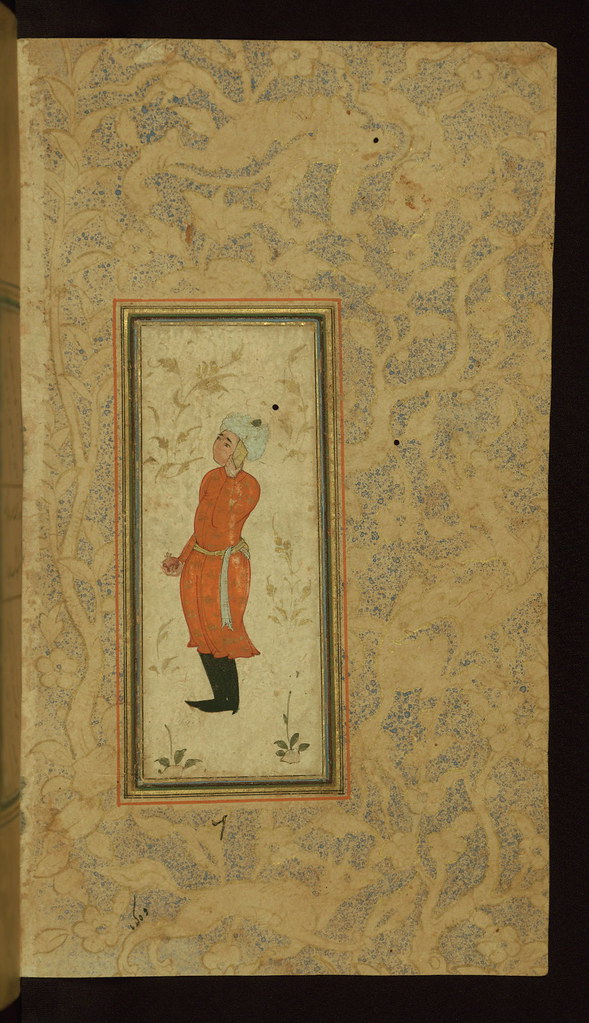
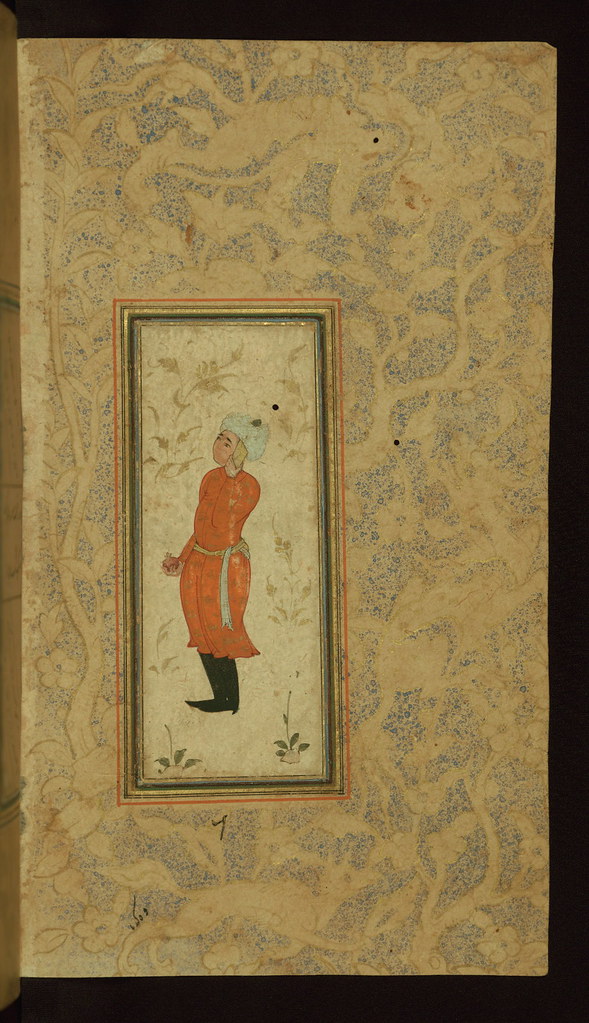
Who is the cupbearer in Hafez’s ghazals?
The cupbearer - ساقی (sāqī) in Persian - is among the most frequently invoked figures in the ghazals of Hafez (1315-1390 CE). Appearing in hundreds of couplets across the Divan, the sāqī is far more than a servant pouring drinks. In Sufi poetic tradition, the cupbearer is the spiritual guide, the intermediary between the seeker and the divine beloved.
When Hafez opens a ghazal with the cry “Sāqī!” - he is not calling for a refill. He is invoking the presence of spiritual guidance itself.
The cupbearer’s symbolic role
Within the intricate symbolic system of Persian mystical poetry, the cupbearer occupies a specific position in the hierarchy of divine encounter:
- God (the beloved): The ultimate source of all spiritual wine
- The wine-seller (خمّار - khammār): God as provider of grace - the source from which all wine flows
- The cupbearer (ساقی - sāqī): The spiritual master who serves the wine - the Sufi sheikh, the pir, or the murshid who guides seekers
- The drinker (نوشنده): The seeker who receives and is transformed by divine knowledge
The cupbearer’s role is active and personal. Unlike the distant wine-seller, the sāqī stands before the seeker, makes eye contact, and offers the cup directly. This intimacy mirrors the relationship between Sufi master and disciple.
Famous cupbearer poems by Hafez
Several of Hafez’s most celebrated ghazals are addressed directly to the cupbearer. These sāqī-nāmeh (cupbearer poems) follow a distinctive pattern: the poet calls upon the sāqī to bring wine, then uses the ensuing “intoxication” as a vehicle for mystical insight.
In one renowned ghazal, Hafez asks the cupbearer to pour generously because the road of love is long and the night of separation seems endless. Read literally, this is a drinking song. Read symbolically, it is a prayer for spiritual sustenance during the dark night of the soul.
The genius of Hafez lies in sustaining both readings simultaneously. Neither cancels the other. The earthly pleasure and the spiritual meaning coexist, creating the rich ambiguity - īhām (ایهام) - that makes his poetry inexhaustible.
The cupbearer across Persian poetry
While Hafez perfected the cupbearer motif, he inherited it from a long tradition:
- Rumi (1207-1273 CE) uses the cupbearer as a figure of ecstatic transformation in the Masnavi, often merging the roles of cupbearer and beloved into a single overwhelming presence
- Saadi (1210-1291 CE) employs the cupbearer in his lyric poetry with characteristic elegance, though less mystical intensity than Hafez or Rumi
- Attar (1145-1221 CE) in The Conference of the Birds presents the spiritual guide as a cupbearer of truth who helps seekers overcome the seven valleys of the mystical journey
- Omar Khayyam (1048-1131 CE) uses the cupbearer in the Rubaiyat with a more philosophical tone, contemplating mortality and the preciousness of the present moment
Each poet brings a unique perspective to the figure, but the core symbolism remains: the cupbearer is the one who bridges the gap between the seeker and the sought.
Why the cupbearer matters for understanding Hafez
Without recognizing the cupbearer as a spiritual symbol, a reader might dismiss Hafez as merely a hedonistic poet celebrating earthly pleasures. With this key, his poetry reveals itself as one of the most sophisticated expressions of mystical philosophy in world literature.
The sāqī is Hafez’s way of saying: spiritual truth does not come from solitary study alone. It comes through relationship - through a guide who has tasted the wine before and knows how to offer it at the right moment, in the right measure, to the right seeker.
The Bayan app helps readers identify these symbolic figures in context, providing glossary definitions and cross-references that illuminate the deep structure of Hafez’s poetic world.