Rumi: The Mystic Poet Who Transcends Time and Place
The Whirling Heart of Persian Mysticism
Jalāl ad-Dīn Muhammad Rūmī, known in Iran as Mowlānā (مولانا, “Our Master”) and in the West simply as Rumi, stands as perhaps the most widely read poet of the classical Persian tradition. Born in 1207 in Balkh (in present-day Afghanistan), Rumi spent most of his life in Konya, Anatolia, where he composed tens of thousands of verses that continue to resonate with readers eight centuries later. His poetry transcends the boundaries of language, culture, and religion, speaking directly to the human yearning for meaning, connection, and transcendence.
A Life Transformed by Love
Rumi’s early years were marked by upheaval. His family fled the Mongol invasions sweeping across Central Asia, eventually settling in Konya under the patronage of the Seljuk sultans. Trained as a religious scholar like his father, Rumi seemed destined for a conventional life as a jurist and teacher. Everything changed in 1244 when he encountered Shams-e Tabrizi, a wandering dervish whose radical spiritual presence ignited a transformation in the middle-aged scholar.
Their intense spiritual friendship (some call it the greatest love story in Persian literature) unlocked Rumi’s poetic genius. When Shams disappeared mysteriously in 1248, Rumi channeled his grief and longing into an outpouring of ecstatic poetry. The experience taught him that separation and loss could become doorways to divine union, a theme that permeates all his work.
The Architecture of Ecstasy
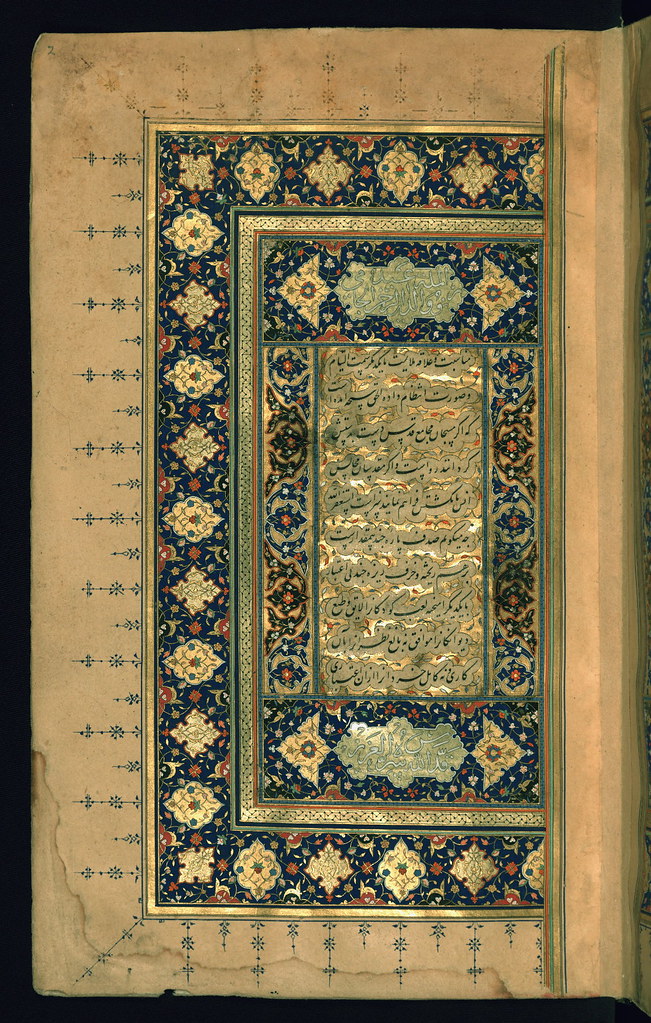
Rumi worked primarily in two forms. His Divan-e Shams-e Tabrizi (Dīvān-e Shams) contains over 40,000 verses of ghazals (lyric poems) and rubā’iyāt (quatrains), many composed spontaneously during samā’ (spiritual concerts featuring music and whirling dance). These poems overflow with paradox, sensual imagery deployed toward spiritual ends, and a voice that shifts between lover, beloved, and the wine of divine intoxication itself.
His magnum opus, the Masnavi-ye Ma’navi (Spiritual Couplets), comprises six books of rhyming couplets, roughly 26,000 verses, and has been called “the Quran in Persian.” Part teaching text, part story collection, part mystical manual, the Masnavi weaves together folk tales, Quranic commentary, jokes, animal fables, and profound theological reflection. Rumi’s genius lies in his ability to find infinite spiritual significance in the most mundane details: a chickpea boiling in a pot, a reed cut from a riverbed, a merchant’s donkey.
Poetic Innovation and Voice
What distinguishes Rumi is his voice: urgent, intimate, often startling. He addresses readers as “you,” pulling them into his spiritual drama. His metaphors cascade and multiply: God is the beloved, the wine, the tavern, the cup, and the drinker. The seeker is the lover, the moth, the reed flute, the empty vessel waiting to be filled. He writes:
Come, come, whoever you are. Wanderer, worshiper, lover of leaving. This is not a caravan of despair. It doesn’t matter if you’ve broken your vows a thousand times before. Come, yet again, come.
Rumi democratized mystical experience, insisting that divine love was not the province of professional saints but the birthright of every seeking soul.
The Sufi Framework
Rumi’s poetry emerges from the tradition of Islamic mysticism known as Sufism. He taught that reality is one: only God truly exists, and all creation represents manifestations of divine beauty and majesty. The spiritual path (ṭarīqat) involves polishing the mirror of the heart, dying to the ego (fanā), and awakening to one’s essential unity with the beloved.
Yet Rumi’s Sufism is notably inclusive. He celebrated music and poetry as spiritual practices, welcomed seekers from all traditions, and emphasized direct experience over doctrinal correctness. The Mevlevi Order he inspired (famous for their whirling meditation) continues to practice his vision of love-centered spirituality.
An Enduring Legacy
In the Persian-speaking world, Rumi has never gone out of fashion. Families pass down well-worn copies of the Masnavi; verses from the Divan are quoted in conversations, weddings, and moments of need. His tomb in Konya remains a pilgrimage site.
Globally, Rumi’s reach expanded dramatically in the late 20th century, making him one of the best-selling poets in America. While translations vary widely in quality and accuracy (some more interpretation than translation), they testify to poetry’s power to cross seemingly impossible divides. In an age of fragmentation, Rumi’s message endures: the cure for our separateness is to surrender to love’s transformative fire.
For diaspora readers, Rumi offers a bridge, a way to engage Persian literary heritage while exploring universal questions of meaning, belonging, and transcendence. His poetry reminds us that some conversations span centuries, and some voices speak to every human heart.